

Saddle nose deformity, sometimes called pug nose or boxer’s nose, is a condition where the nasal bridge has a noticeable depression or concavity. This sunken or concave appearance is a result of the loss of structural support in the nose. The severity of saddle nose deformity can range from minimal to major, affecting both appearance and function. Visible signs of saddle nose deformity include varying degrees of nasal bridge depression and altered shape of the nasal tip.
Introduction to Nasal Deformity
Nasal deformity refers to any abnormality in the shape or structure of the nose, which can affect both appearance and function. One of the most recognizable forms is saddle nose, where the nasal bridge collapses, resulting in a sunken or concave appearance. This type of nose deformity not only alters the nose’s shape but can also lead to significant breathing difficulties and nasal obstruction. Understanding the underlying causes, visible signs, and available treatment options for saddle nose deformity is crucial for anyone experiencing changes in their nasal structure or function.
Understanding Nasal Structure
The nose is a complex structure that plays a vital role in both facial aesthetics and breathing. At the core of the nose is the nasal septum, which acts as the central support pillar, maintaining the nose’s shape and stability. The upper lateral cartilages and lower lateral cartilages further contribute to the nose’s contour and function. When these nasal structures are compromised due to trauma, surgery, or disease, it can result in a weakened nasal septum or even a nasal septum perforation. This loss of support often leads to a collapsed nasal bridge, a hallmark of saddle nose deformity. Such changes may require rhinoplasty surgery to restore both form and function.
What is a Saddle Nose Deformity?
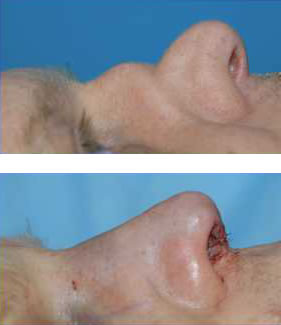
Saddle nose deformity is not a disease; it is the clinical description/appearance of the nose that occurs following loss of support of the nose from destruction of the nasal septum. This lack of support from the nasal structures produces a concavity to the bridge of the nose in side (profile) view—like the shape of a horse’s saddle, hence the term ‘saddle nose deformity’. This deformity can progressively worsen, leading to gradual deterioration of nasal function and appearance. It progressively causes increased breathing difficulties for the patient, and the appearance is quite distressing for most patients.
Any process that weakens the septum can produce a saddle nose deformity:
- Over resection/removal of the septum from poorly performed septoplasty or rhinoplasty (removing too much cartilage can result in inadequate support and subsequent deformity)
- Cocaine nose damage to the septum (substance abuse)
- Vasculitic disease that weakens the septum through inflammation (such as granulomatosis with polyangiitis or systemic lupus erythematosus)
- Large perforations in the nasal septum
- Infections such as syphilis and leprosy
- Medical conditions including autoimmune diseases and chronic inflammation
- Congenital issues such as Binder’s syndrome or genetic conditions
- Facial trauma and nasal trauma (direct trauma to the nose can fracture the cartilaginous and/or bony septum, compromising important nasal support structures)
- Deviated septum and inadequate support of nasal structures
Classification of Nasal Deformities
Saddle nose deformity can be classified based on the severity of the collapse and loss of support in the nasal bridge. Minimal saddle nose deformity presents as a slight dip or depression in the nasal bridge, often only noticeable on close inspection. Moderate saddle nose deformity is characterized by a more pronounced depression, making the nose appear visibly sunken and affecting the nasal dorsum. Major saddle nose deformity is the most severe form, where there is significant loss of cartilage and support, resulting in a dramatically collapsed nasal bridge and a marked change in the nose’s profile.a day case patient. Extreme cases may require more than one stage to successfully reconstruct the nose.
Correcting Saddle Nose Deformity
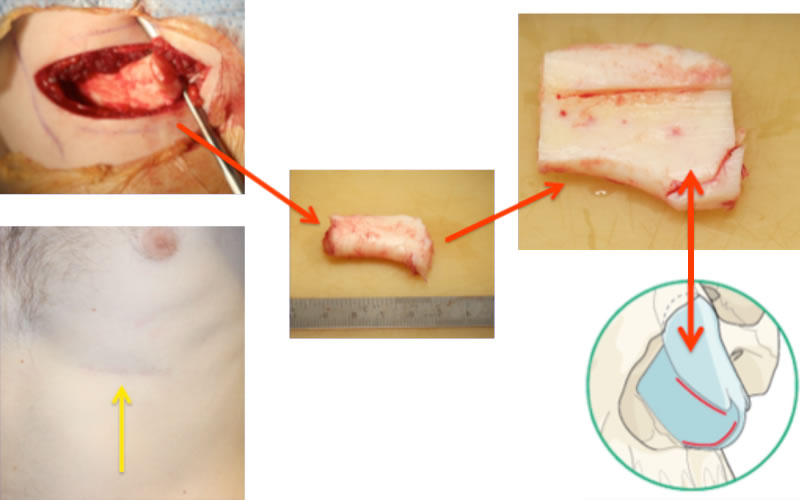
Correcting the saddle requires rebuilding of the septum to re-support the mid portion of the nose. During surgical correction, it is crucial to restore tip support and nasal support structures to achieve both functional and aesthetic outcomes. Nasal reconstruction is often required to restore both nasal function and appearance. We do this by taking cartilage grafts from ears or from your rib cartilage. In complex or revision surgeries, tissue grafts may also be used to rebuild and reinforce the nasal framework. Nasal augmentation and augmentation rhinoplasty are surgical options that help restore nasal height and structure, especially in cases with significant dorsal depression.
Restoring nasal dorsal height and nasal height is a key goal in surgical planning and outcome, as these features are critical for both appearance and airway function.
The choice of treatment varies with the severity of the deformity, with saddle n
Recovery
Most people feel better in four to six weeks after rhinoplasty for saddle nose deformity, but complete healing of the nose’s internal and external structures may take up to a full year. Patients should avoid activities that could impact the nose during the initial recovery phase. There is a minor risk of infection or bleeding after saddle nose surgery, making post-operative care essential for a successful recovery.
[Call +31 (0) 85 029 0829 for an appointment](tel:+31 (0) 85 029 0829)9)